
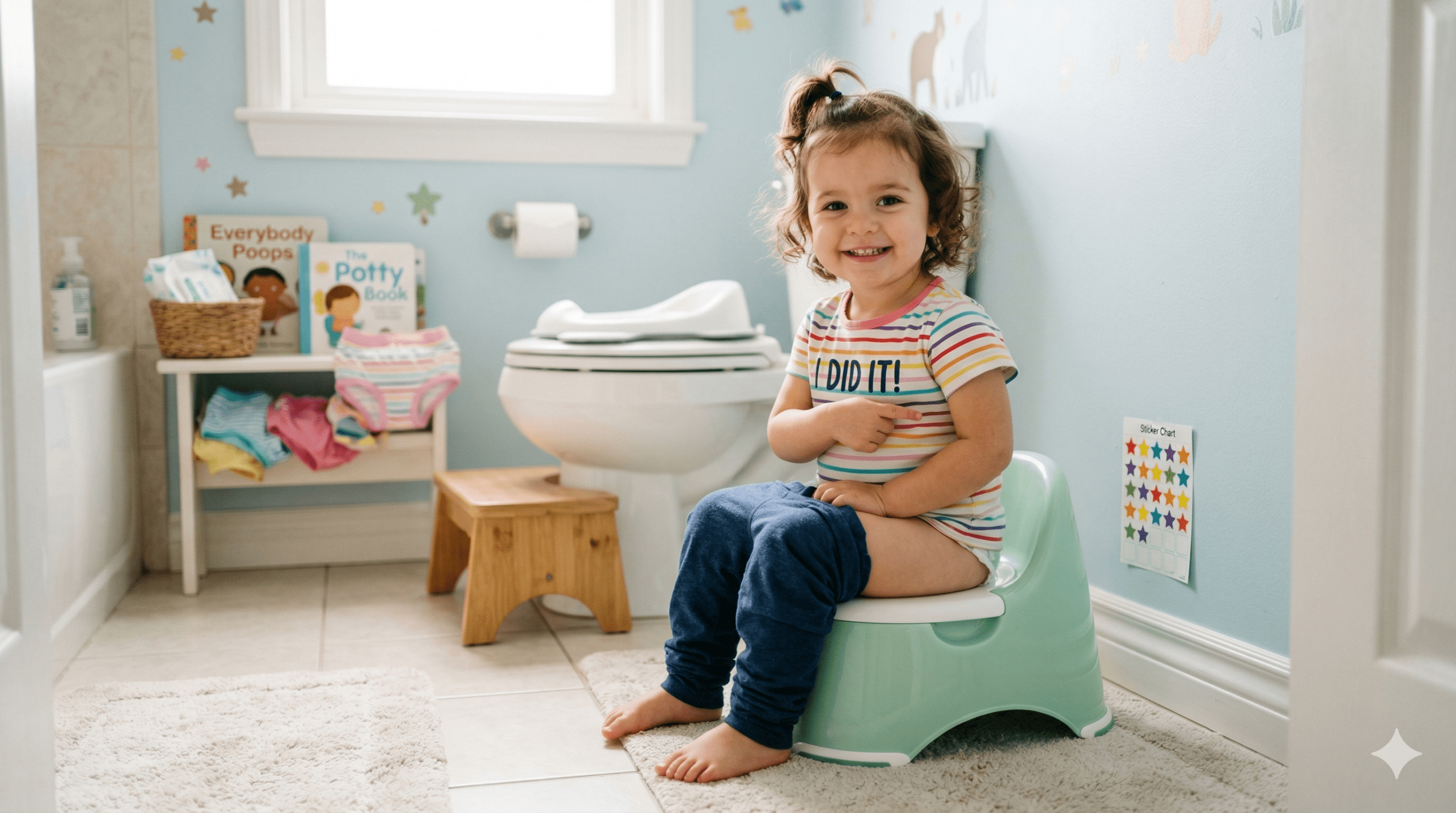
Stopping diaper use is a major step for every family. You might be dreaming of a day without diaper bags or the high cost of monthly boxes. While it feels like a big task, transitioning from diapers to the potty is a skill your child can learn with your help.
This guide provides a clear, step-by-step plan to help your toddler stop using diapers. We have removed the “fluff” and complex jargon to give you practical advice that works.
Effective Tips on How to Stop Diaper Use for Toddlers
1. Recognize the Signs of Readiness
Timing is the most important part of potty training. If you start before your child’s body and brain are ready, the process will take longer and cause more stress. Most children are ready between 18 months and 3 years old.
Look for these physical and behavioral signs:
Physical Readiness
- Dry Diapers: Your child stays dry for two hours or more during the day.
- Dry Naps: They wake up dry after a nap.
- Predictable Timing: They have bowel movements at roughly the same time each day.
- Motor Skills: They can walk to the bathroom and help pull their pants up or down.
Behavioral Readiness
- Communication: They can tell you (with words or signs) when they have a dirty diaper.
- Discomfort: They show they dislike the feeling of a wet or dirty diaper.
- Interest: They watch you use the bathroom or ask questions about the toilet.
- Instruction: They can follow simple, two-step directions like “Go to the bathroom and sit down.”
Expert Tip: Avoid starting during big life changes, such as moving to a new house, starting a new daycare, or bringing home a new baby. Wait for a “boring” few weeks to begin.
2. Essential Gear to Stop Diaper Use Easily
Before you ditch the diapers, you need the right tools. Having everything ready prevents “emergency” runs to the store in the middle of training.
| Item | Why You Need It |
| Potty Chair | A floor-level chair feels safer for toddlers because their feet can touch the ground. |
| Toilet Seat Insert | If using the big toilet, this smaller seat keeps them from feeling like they will fall in. |
| Sturdy Step Stool | Helps them reach the big toilet and the sink to wash their hands. |
| Training Underwear | Thick cotton underwear helps them feel the “wetness” more than a diaper does. |
| Easy-to-Remove Clothes | Use pants with elastic waistbands. Avoid buttons, zippers, or belts. |
| Cleaning Supplies | Have a dedicated spray and paper towels ready for accidents on the floor. |
Best Training Methods to Stop Diaper Use
There is no single “right” way to stop using diapers. Choose the method that fits your child’s personality and your family’s schedule.
Method A: The Three-Day “Naked” Method
This is a fast-track method designed for a long weekend. You stay home and focus entirely on your child.
- Day 1: Let your child spend the day without pants or a diaper. Keep the potty in the same room.
- Hydration: Give them plenty of water or juice to ensure they have to go often.
- Observation: Watch for “the look” (squatting, stillness, or hiding). When you see it, quickly lead them to the potty.
- Days 2 & 3: Continue the same routine, but introduce short trips outside the house (with pants on, but no diaper) to build confidence.
Method B: The Slow and Steady Method
This is best for parents who work or for children who need more time to adjust.
- Introduction: Place the potty in the bathroom and let them sit on it with their clothes on.
- Scheduled Sits: Have them sit on the potty at specific times (after waking up, after meals).
- The Switch: Move from diapers to training pants for a few hours a day, gradually increasing the time.
- Consistency: Keep the routine exactly the same every single day.
Create a “Potty Schedule”
Toddlers often get “too busy” playing to notice they need the bathroom. A schedule helps prevent accidents before they happen.
- Upon Waking: The bladder is usually full first thing in the morning.
- Before/After Meals: Eating often triggers the urge to have a bowel movement.
- Before Leaving the House: Make “trying” a rule before you get in the car.
- Before Bed: This is the final step in the daily routine.
The 20-Minute Rule: In the first few days of training, set a timer for every 20 or 30 minutes. When it beeps, ask your child, “Is it time to go?” or simply say, “Let’s go try.”
How to Handle Poop Anxiety
Many toddlers find it easy to pee in the potty but are scared to poop. This is very common. Pooping feels like “losing” a part of themselves, or they may be afraid of the splash.
- Don’t Pressure: If they are scared, don’t force them. This can lead to constipation.
- Keep Them Comfortable: Make sure their feet are supported on a stool. If their feet dangle, their muscles cannot relax properly to poop.
- Use Books: Read stories about pooping to show it is a natural, “everybody does it” event.
- Diet Matters: Ensure they get plenty of fiber (fruit, veggies) and water so pooping isn’t painful.
Managing Accidents Without Stress
As you try to stop diaper use, accidents will happen. They are not a sign of failure; they are part of the learning process.
- Stay Calm: If you get angry, your child may become afraid of the potty.
- Use Neutral Language: Say, “Oops, you’re wet. Let’s go finish on the potty and put on clean clothes.”
- Involve Them: Have your child help you put the wet clothes in the laundry. This isn’t a punishment; it’s a way to show them the natural result of an accident.
- Avoid “Why” Questions: Asking a toddler “Why didn’t you use the potty?” is useless because they usually don’t know why.
Transitioning to Nighttime Dryness
Being dry at night is a biological step that often happens much later than daytime training. A child’s brain must learn to wake them up when the bladder is full.
- Don’t Rush: Most children aren’t reliably dry at night until ages 4 or 5.
- Limit Drinks: Reduce liquid intake about an hour before bedtime.
- The “Double Tuck”: Use a waterproof mattress protector. Put on a sheet, another protector, and then another sheet. If they have an accident at 2:00 AM, you can just peel off the top layer and go back to sleep.
- Nighttime Pull-Ups: It is perfectly fine to use a “big kid” pull-up or diaper at night while they are dry during the day.
Potty Training on the Go
Leaving the house without a diaper for the first time is scary for parents. Preparation removes that fear.
- The “Go Bag”: Pack two extra changes of clothes (including socks), plastic bags for wet clothes, and wipes.
- Portable Potty: Some parents keep a small potty in the trunk of the car for emergencies.
- Public Bathroom Strategy: Many public toilets have loud automatic flushes that scare toddlers. Bring a pack of sticky notes to cover the sensor so it doesn’t flush while they are sitting on it.
- Scope It Out: When you arrive at a park or store, find the bathroom immediately so you aren’t searching for it when your child says, “I have to go NOW.”
Building Healthy Hygiene Habits
Stopping diaper use is also about teaching self-care. Use this transition to build three key habits:
- Wiping: Teach girls to always wipe from front to back to prevent infections.
- Flushing: Let them be the one to flush. It gives them a sense of “completing” the task.
- Hand Washing: This is non-negotiable. Use fun soap or a step stool to make it an enjoyable part of the routine.
When to Take a Break
If you have been trying for two weeks and your child is having more accidents than successes, or if they are crying and screaming whenever they see the potty, stop.
There is no shame in going back to diapers for a month and trying again later. Sometimes a child just needs a few more weeks for their brain to connect the dots. Forcing the issue can lead to long-term “potty strikes” or physical issues like holding in urine.
Stop Diaper Use Checklist for Success
- I have a potty chair or seat insert.
- A stool so my child’s feet are supported.
- I have 10+ pairs of cotton underwear.
- My child is wearing pants with elastic waistbands.
- I have a “boring” weekend or week with no major plans.
- Snacks and drinks to keep my child hydrated.
- I am prepared to be patient and stay calm.
Summary
To stop diaper use, you don’t need magic or “hacks.” You need patience, a routine, and a child who is ready. By following the signals your toddler gives you and keeping the environment positive, you can move past the diaper phase forever. Focus on the small wins—like the first time they tell you they have to go—and remember that every child eventually learns this skill.
You’ve got this!
ALSO READ: Overnight Leak-proof Diapers for Sensitive Skin